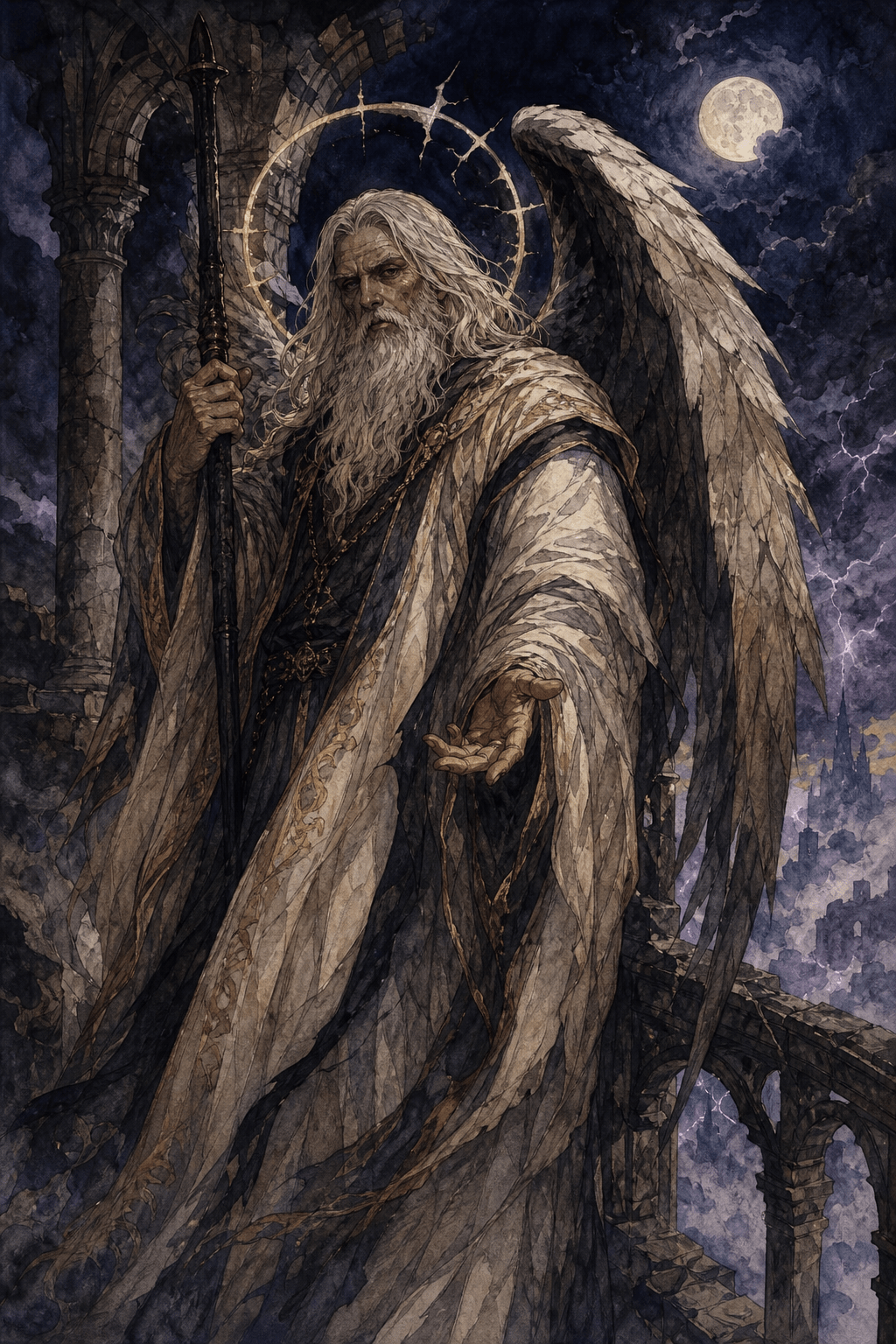
When people think of demons, they tend to think only of the crazy stories in Scripture, movies, and the creepy stories they’ve heard. Such stories are the outliers. J.R.R. Tolkien captured the way that demons generally work in the character of a fallen angel named Saruman. Tolkien identified his real power as his voice:
“Suddenly another voice spoke, low and melodious, its very sound an enchantment. Those who listened unwarily to that voice could seldom report the words that they heard; and if they did, they wondered, for little power remained in them. Mostly they remembered only that it was a delight to hear the voice speaking, all that it said seemed wise and reasonable, and desire awoke in them by swift agreement to seem wise themselves… For many the sound of the voice alone was enough to hold them enthralled; but for those whom it conquered the spell endured when they were far away, and ever they heard that soft voice whispering and urging them. But none were unmoved; none rejected its pleas and its commands without an effort of mind and will, so long as its master had control of it.”
That’s generally the weight of demonic activity: persistent nudging and counseling with ideals that feel wise at the time and make sense with our story and understanding. Spiritual warfare then becomes us overcoming it with an effort of mind and will.
Perhaps this feels too dull for people to qualify it as demonic or spiritual warfare. But this is much of what the whole thing is about


Leave a comment